Cali Dream Construction · Design build remodeling and ADU construction in San Diego County
El Cajon ADU permits and approvals guide: reduce plan check cycles with smarter drawings
Educational guide. Confirm requirements with official sources before you build.
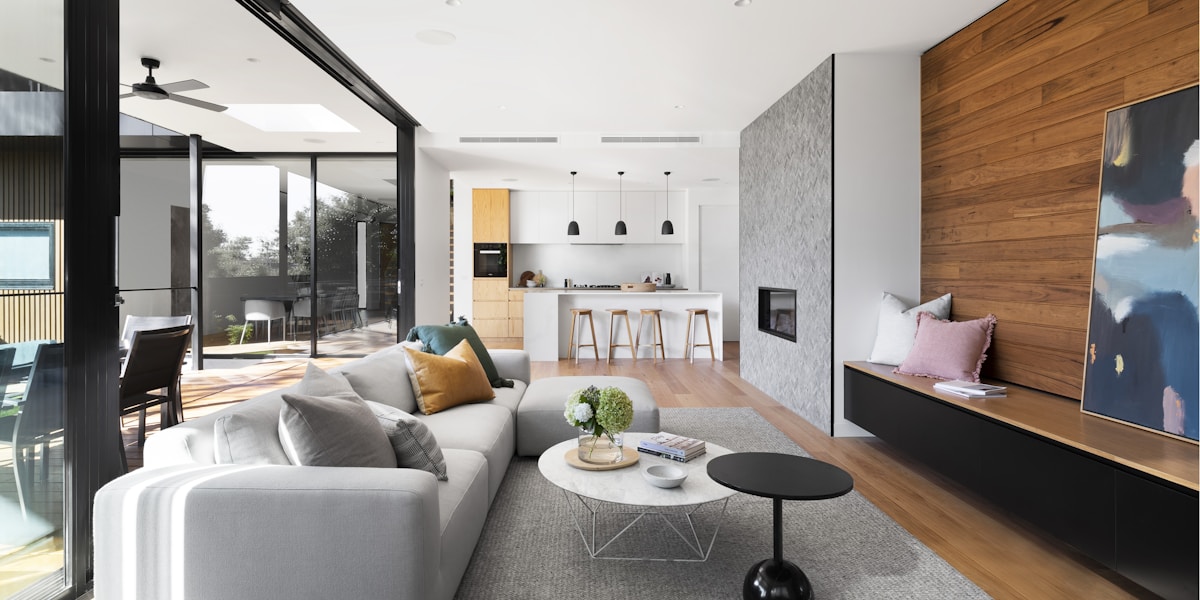
If you are considering an accessory dwelling unit in El Cajon, this guide is written from a space planner perspective. The goal is simple: see the decisions that matter most, pick a layout that lives well, and plan the work so the build feels high clarity.
El Cajon has its own character: inland sites where utility upgrades and efficient layouts often deliver strong ROI. That affects design choices like privacy, outdoor space, access routes, and finish durability. We will keep this page educational, then point you to official resources so you can confirm requirements for your specific address.
Permits become smoother when the plan set is consistent and complete. We think of plan review as a communication problem. If the drawings answer questions before they are asked, you reduce revisions and weeks of back and forth. This page explains how to prepare a submittal that reviewers can approve with fewer questions.
Design first questions
Before you think about finishes, answer these:
- Who will use the ADU and what does a good day look like inside it
- How important are privacy and separate outdoor space
- Is this a rental, a family suite, a home office, or a future downsizing plan
- Do you want one larger room or more separation between sleeping and living
- What are the two non negotiables you refuse to compromise on
These answers tell you the right size, where windows should go, and what storage is required. A clear use case saves money because you stop chasing features you will not use.
Site and layout principles
Every good ADU layout starts with a simple site diagram. Mark the quiet side of the yard, the most public edge, and the best daylight. Then design the entry path. When the entry path is intentional, the unit feels like a real home.
Next, place the wet wall. Keeping the kitchen and bath near each other usually reduces plumbing runs. That can save cost and speed construction.
Finally, decide how the ADU relates to the main home. You can create separation with a fence line, planting, a patio, or a small courtyard. From a designer point of view, that outdoor buffer is often what makes the entire property feel better.
Permits, reviews, and plan quality
Permitting is easier when the plan set is readable. Readability is not about fancy drawings. It is about consistency: dimensions match, notes match, and details show exactly how weatherproofing and drainage work.
We recommend assembling your permit prep items in a single folder early: site photos, a simple plot plan, and your goal statement. Then your design team can produce a clean narrative for the reviewers.
Some jurisdictions also publish guidance, preapproved plans, or permit ready programs. Those can shorten review when your site fits the assumptions. Always confirm applicability using the official city page below.
Cost drivers and budget structure
The fastest way to plan budget is to separate fixed costs from variable costs. Fixed costs include many plan set and permit prep items. Variable costs move with square footage, finish level, and site complexity.
From a designer builder perspective, three levers matter most:
- Site complexity: slope, access, drainage, retaining
- Utilities: panel capacity, trenching distance, sewer route
- Finish level: durable and simple versus custom and detailed
When we design around these levers, we keep the project aligned with your priorities. We also avoid spending money on square footage that does not improve daily life.
Timeline and what happens in each phase
Think in phases. Each phase ends with a deliverable that reduces risk.
- Site snapshot: map access, utilities, and constraints
- Design concept: pick a layout that fits the goal
- Permit set: drawings, engineering, and required documents
- Build: foundations, framing, trades, finishes
- Closeout: inspections, punch list, handoff
If you keep decisions in the right phase, the build moves smoothly. If you delay decisions, you often pay for change orders and schedule extensions.
Common mistakes and how to avoid them
- Choosing size before use case and furniture plan
- Ignoring utility routing until late in design
- Underestimating storage and overbuilding hallways
- Designing windows without a privacy strategy
- Picking fragile finishes for a rental use case
The fix is to treat the ADU as a tiny home with full life needs: light, storage, acoustics, and a simple maintenance plan.
Image ideas and examples to collect
Photos help the design team move faster. Here is a short list:
- A wide photo of the backyard from two corners
- Close photo of the electrical panel and meter area
- Photo of the main home exterior style to match
- Driveway and access path photos
- Any slope or drainage areas after rain if possible
You can also add a conceptual diagram to this page. The infographic below is original and safe to use.

ADU decision map for El Cajon
1 Choose the reason
2 Pick the smallest size that still feels comfortable
3 Put privacy first: entry path, windows, outdoor zone
4 Lock utilities early: trench path, panel capacity, sewer route
5 Build a finish level that matches how the unit will be used
Official references and local resources
Always confirm requirements using official sources. Start here:
- Official ADU information for El Cajon
- California HCD ADU hub
- California ADU handbook PDF
- CalHFA ADU grant program
Related guides
FAQs
What slows ADU permitting the most
Incomplete plan sets and unclear code notes are frequent causes. We focus on clear drawings and fast responses to plan check comments.
Can I use preapproved plans
Some jurisdictions offer preapproved or permit ready plans. They can shorten review when your site fits the assumptions. We can customize within limits and still keep the plan set clean.
Do I need engineering
Many new builds need structural design. Some conversions may have lighter requirements, but it depends on the scope and jurisdiction.
Next steps with Cali Dream Construction
If you want a clear plan, the fastest move is a design consultation with a feasibility style walkthrough. We will discuss your goal, sketch a layout direction, and identify the big cost drivers on your specific site.
Prefer to start with a checklist. Download the PDFs below and bring them to your call.
📊 ADU Cost Calculator
Try it inline — no signup, instant San Diego estimate.
Powered by TradeCalcs · Built by San Diego contractors (CSLB #1054602)
Get Your Free Estimate — 60 Seconds
Tell us about your project. Licensed contractor will reach out within 24 hours. No spam.
Our Services
Kitchen Remodeling Bathroom Remodeling ADU Construction Whole Home Remodel Get Free Estimate →
Get Your Free Estimate
Tell us about your project. We'll get back to you within 24 hours.
Licensed Contractor CSLB #1054602 • Serving all of San Diego County
Next Cost And Scope Planning
Use these related guides and project examples to turn the topic above into a realistic budget, scope, and permit plan.