Cali Dream Construction · Educational construction guides
How to replace an HVAC filter and set a simple maintenance schedule
Education only. Verify requirements with your jurisdiction and qualified professionals.
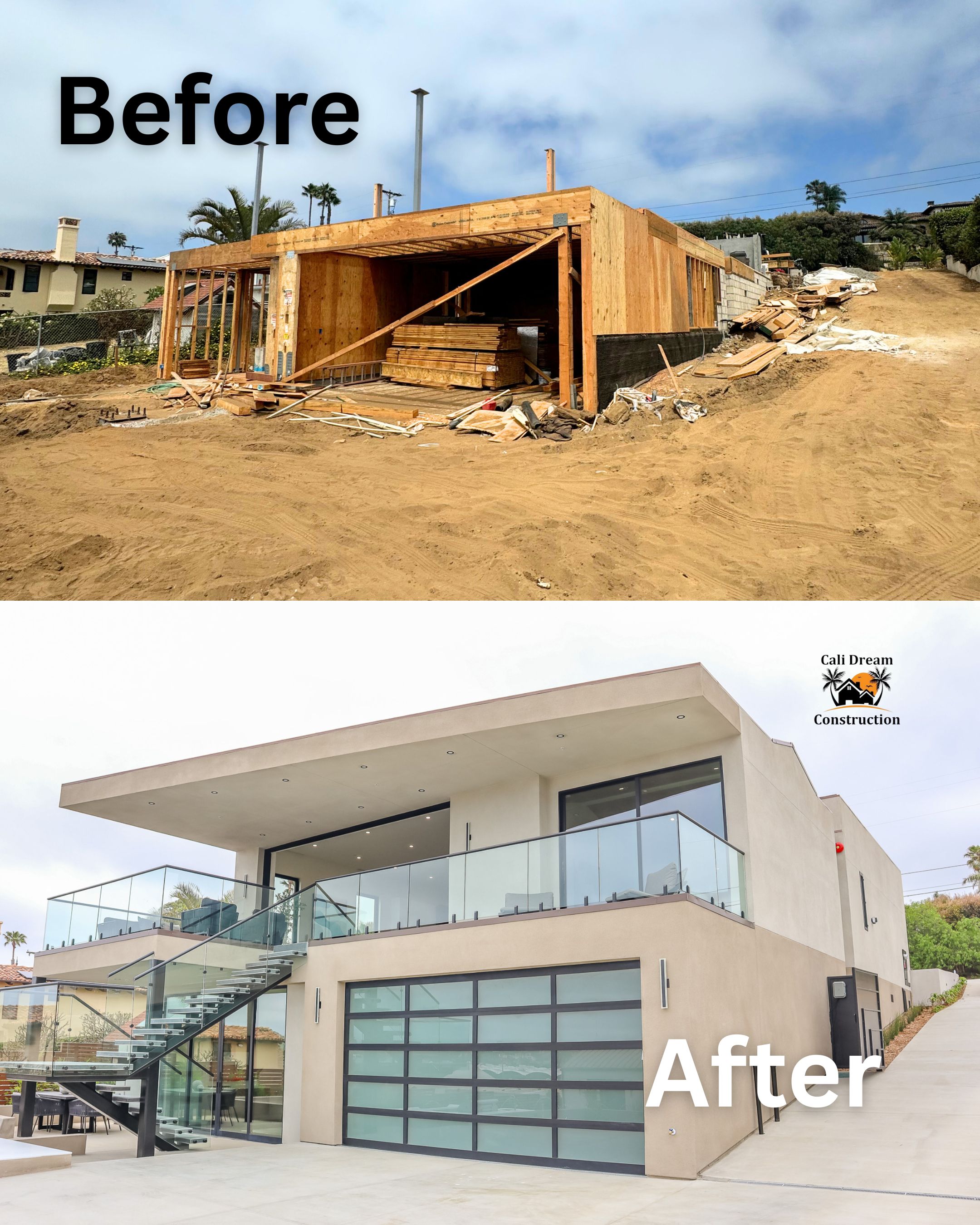
Good projects are calm projects. Calm comes from clear priorities, realistic timelines, and decisions made early.
Mini scenario: You want to tackle replace HVAC filter. The quality comes from protection and prep, then slow clean steps, then respecting cure time.
Designer lens
Focus on hide storage in plain sight with intentional layout even in small DIY work. Consistency is what looks professional.
DIY success recipe
Protect surfaces first
Measure twice
Work in thin clean steps
Allow full dry and cure time
Stop if safety or code is unclear
Related search phrases
- replace hvac filter tips
- replace hvac filter tools list
- replace hvac filter safety notes
- replace hvac filter step by step
- replace hvac filter mistakes to avoid
Self check questions
- Do I have the right tools to do this cleanly and safely
- What dry or cure times control the schedule
- How will I verify quality in daylight
- What step is hardest and do I have a plan for it
- How will I protect nearby finishes from damage
- Is there any hidden risk: wiring, plumbing, moisture, or structure
Red flags
- You suspect moisture, mold, or structural issues
- You are rushing prep or skipping cure time
- You do not have the right tools for clean alignment
- You are working near wiring or gas without confidence
- You are not protecting nearby finishes
Before you start
- Gather all tools and parts so you do not stop mid step
- Plan debris removal and cleanup before you start
- Confirm wall type, substrate condition, and moisture risk
- Clear the work area and protect floors and surfaces
- Read product instructions for dry and cure times
Tools and materials
Tools
- Tape measure
- Pencil
- Level
- Safety glasses
- Rags
- Utility knife
- Caulk gun
- Vacuum with HEPA filter
- Adjustable wrench
Materials
- Painter tape
- Cleaner
- Caulk or sealant as needed
- Plumber tape
- Microfiber cloths
- Silicone sealant
- Spackle or patch compound
Safety notes
- If your home was built before 1978, treat paint dust as potentially hazardous and follow lead safe practices.
- Turn off power at the breaker before any work near electrical wiring and verify with a tester.
- If you smell gas, see active water leaks, or suspect structural issues, stop and call a licensed professional.
- Do not work alone on ladders or overhead tasks when fatigue increases risk.
- Use proper personal protective equipment including eye protection and a respirator when sanding or cutting.
Stop if you are unsure. Safety and durability matter more than speed.
Step by step instructions
- Prepare the surface so it is clean, dry, and flat
- Protect nearby surfaces and set up good lighting
- Gather tools and materials and read product instructions
- Install or apply the new material in thin controlled steps
- Clean up and save labels for future touch ups
- Let materials dry and cure for the recommended time
- Inspect in daylight and fix small issues early
Most DIY results look professional when prep is thorough and you respect cure time.
Troubleshooting
- If you hit unexpected wiring, moisture, or rot, stop and get help
- If paint looks patchy, you likely skipped priming repairs or changed sheen
- If something is out of level, stop and correct early before fasteners are fully tight
- If a faucet leaks, check gaskets and gentle tightening rather than over tightening
- If caulk peels, the joint was wet or dirty when applied
Finishing and aftercare
- Save extra materials, paint labels, and a few spare parts
- Do not scrub fresh paint or grout until it has fully cured
- Ventilate bathrooms well after any sealant work
- Set a reminder to recheck caulk and seals seasonally
Quality checklist
- Area is cleaned and protected surfaces are removed safely
- Surfaces are clean with no residue
- Fasteners are tight but not over tightened
- No leaks, wobble, or rubbing
- Materials have cured before heavy use
- Edges and lines look straight in daylight
FAQs
What is the most common mistake with replace HVAC filter
Rushing prep. Most DIY projects look professional when surfaces are clean, flat, and primed.
What tools do I really need for replace HVAC filter
Measuring, level, and quality prep tools matter. The right tool prevents damage and redo.
What should I do after finishing
Respect cure times, ventilate the area, and set a simple maintenance reminder so the result lasts.
How long does replace HVAC filter usually take
Time depends on prep and dry or cure time. Plan extra time for protection and cleanup.
How do I avoid buying the wrong materials
Measure, read product labels, and buy a little extra for waste. Save receipts and labels for touch ups.
How do I know the result is good
Use a quality checklist and inspect in daylight. Look for straight lines, consistent gaps, and no leaks.
When should I stop and hire a professional
Stop when the work affects structure, gas, major electrical, or waterproofing in wet areas if unsure.
Glossary
- Rated anchor: Anchor designed for a specific weight in a wall type
- Feather: Blending a patch so edges disappear
- Primer: Coating that improves adhesion and blocks stains
- Cure time: Time needed for full strength beyond dry to touch
- Prep: Cleaning and flattening surfaces so finishes adhere
Helpful resources
Related guides
- How to install smoke and carbon monoxide detectors and test them
- How to maintain tile showers and reduce mildew with better habits
- How to clean and seal grout for easier maintenance
- How to replace a kitchen faucet without leaks
- How to install peel and stick backsplash for a fast weekend refresh
- How to install floating shelves that stay level
Next steps
If you want a clear scope, realistic schedule, and professional execution, reach out to Cali Dream Construction.
Free downloads