Cali Dream Construction · Educational construction guides
Warranty and year one maintenance: how to protect a new home
Education only. Verify requirements with your jurisdiction and qualified professionals.
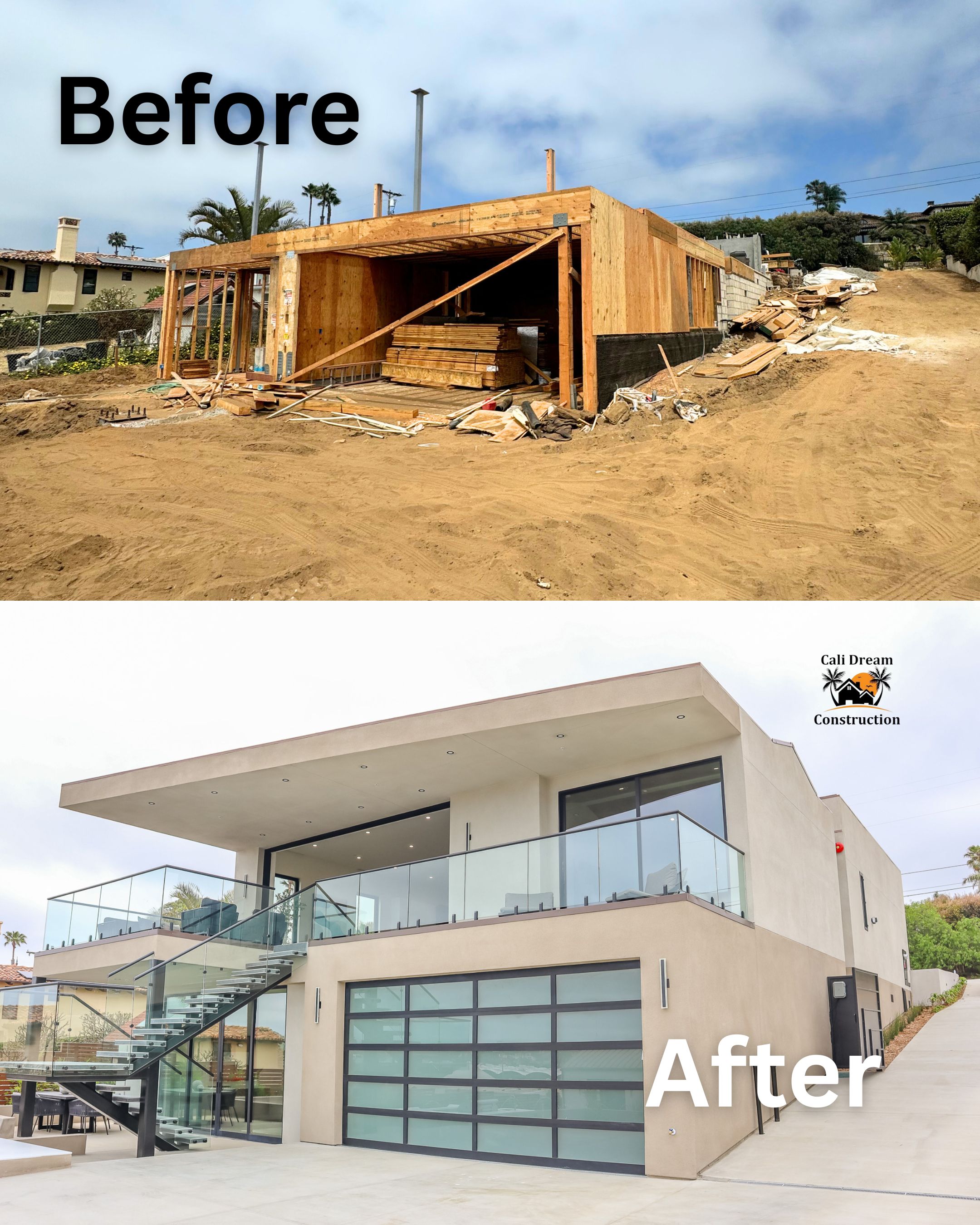
A designer builder mindset is practical. It prioritizes flow, light, and maintenance so the result ages well.
Mini scenario: Imagine you are planning new home maintenance. The best results come from clear scope, early decisions, and a calm sequence that respects lead times and inspections.
Designer lens
Focus on simplify material changes and focus on one accent so the result feels coherent and easy to maintain.
New home decision order
Layout and window strategy
Engineering and energy approach
Long lead items: windows, cabinets, HVAC
Rough in coordination: plumbing, electrical, low voltage
Finishes and detail consistency
Punch list and closeout documentation
Related search phrases
- new home maintenance planning
- new home maintenance checklist
- new home maintenance timeline
- new home maintenance cost drivers
- new home maintenance mistakes to avoid
Key takeaways
- Close out with a punch list and documentation
- Use a communication rhythm to reduce stress
- Protect the home or business with site protection
- Compare bids only after scope is aligned
- Clarity comes from written scope and early decisions
What it is
Warranty and year one maintenance: how to protect a new home is a planning topic. The goal is not to memorize rules. The goal is to make decisions in the right order so the build is predictable.
Why it matters
When this is planned well, your project feels calmer. The schedule becomes easier to protect and the budget becomes easier to control.
Step by step approach
- Coordinate rough in locations before closing walls
- Confirm site constraints and utility feasibility
- Lock long lead selections and procurement dates
- Choose layout and window strategy that fits routines
- Coordinate engineering and performance goals
- Reserve time for punch list, inspections, and closeout
- Protect envelope and waterproofing details during build
Use this list as a decision sequence. Planning time is cheaper than construction time.
Deep dive
Deep dive
This topic becomes easier when you focus on a clear sequence of decisions and written documentation. Use the checklists below as your anchor.
Scope starter
If you need to request bids or align expectations, use this starter scope template and customize it for your project.
New home scope starter
Site work and utility scope
Foundation type and waterproofing approach
Framing and structural scope
Window and door package
Mechanical electrical plumbing strategy
Insulation and envelope details
Interior finishes and trim level
Exterior cladding and roofing
Landscape and outdoor living scope
Closeout and warranty plan
San Diego considerations
New construction typically requires permits and inspections through multiple phases. Plan inspections as milestones.
San Diego note
If your project is in San Diego County, confirm requirements with the City or County office that covers your address.
Decision matrix
Use this quick matrix to choose an approach that fits your priorities.
| Option | Best for | Tradeoffs |
|---|---|---|
| Fully custom | Highest personalization | More decisions and coordination |
| Standard plan set | Proven details, efficient process | Less customization |
| Semi custom | Balanced customization and cost | Requires clear selections |
Cost and timeline drivers
Most surprises are predictable when you know where they come from. Use these lists to plan and to compare options.
Cost drivers
- Landscape and outdoor living scope
- Structural complexity and spans
- Finish level across the whole home
- Foundation complexity driven by soils and slope
- Site work, grading, drainage, and utility trenching
- HVAC design and zoning
- Window and door performance level
- Envelope details and waterproofing layers
Timeline drivers
- Plan review and agency approvals
- Engineering coordination and revisions
- Inspection scheduling and correction cycles
- Procurement of long lead items
- Weather impacts on foundation and exterior work
Planning tip
Documentation reduces unknowns. Unknowns create cost and schedule risk.
Documents to gather
Projects move faster when the right information is ready. This list is a practical starting point.
- Inspection sign offs and closeout manuals
- Selection schedule and procurement tracker
- Warranty details and a maintenance plan
- Plan set and engineering documents
- Soils information if required for the site
- A clear design brief and room list
- Survey and site information
Questions to ask
- What is included in closeout: manuals, warranties, as built notes
- How will value engineering be handled without losing design intent
- What site constraints could change scope or foundation design
- Which selections must be locked early due to lead times
- How will waterproofing details be built and inspected
- How will HVAC be designed for quiet comfort
- What is the inspection schedule and who coordinates it
Red flags
- Selections delayed until after rough in
- Layout not finalized before engineering starts
- Procurement not aligned with schedule
- No plan for inspections and access
- Budget based on guesses instead of scope
- Waterproofing details treated as an afterthought
Checklist
- Decision calendar created for long lead items
- Protection plan and communication rhythm set
- Scope and allowances defined in writing
- Existing conditions photographed and measured
- Inspection milestones planned
- Closeout folder planned for manuals and warranties
- Goal and priorities written in one page
Common mistakes
- Ignoring lead times for long lead materials
- Approving changes verbally without documentation
- Comparing bids that do not share the same scope
- Skipping protection and cleanup expectations
- Overcomplicating design with too many materials
- Starting work before key selections are decided
- Assuming inspection timing will be instant
FAQs
How do I reduce noise in a new home
Plan duct routing, equipment location, insulation, and door quality. Sound control is a design decision.
What should I keep after move in
Keep closeout documents, manuals, warranties, and a maintenance schedule for filters and sealants.
What is commissioning
It is verification that systems like HVAC perform as intended. It reduces callbacks and improves comfort.
What drives budget for new home maintenance
Site work, structure complexity, and finish level are major drivers. Clear scope reduces surprises.
How can I make the home feel timeless
Use a calm base palette, consistent trim details, and quality lighting. Avoid too many material changes.
When should I decide key selections for new home maintenance
Lock layout and long lead items early. A decision calendar protects the schedule.
Do I need permits and inspections
Most new construction requires permits and inspections. Confirm requirements with your local jurisdiction.
Glossary
- Commissioning: Verification that systems operate as intended
- Feasibility: Early study of constraints, utilities, and budget
- Envelope: The layers that manage water, air, and heat transfer
- As built: A record of what was actually installed
- Rough in: MEP work before insulation and drywall
- Punch list: Final quality list before move in
- Plan set: Construction drawings and documents used for permitting and building
Helpful resources
Related guides
- Contingency and escalation planning in a new build
- What is in a new home plan set: drawings and documents explained
- Foundation options: slab vs crawlspace and how to choose
- Outdoor living spaces: patio, pergola, and outdoor kitchen planning
- Drywall finish levels and quality: what affects the final look
- Exterior cladding options and details: durability and maintenance
Next steps
If you want a clear scope, realistic schedule, and professional execution, reach out to Cali Dream Construction.
Free downloads