Cali Dream Construction · Educational construction guides
DIY home improvement education hub: planning, tools, safety, and weekend projects
Education only. Verify requirements with your jurisdiction and qualified professionals.
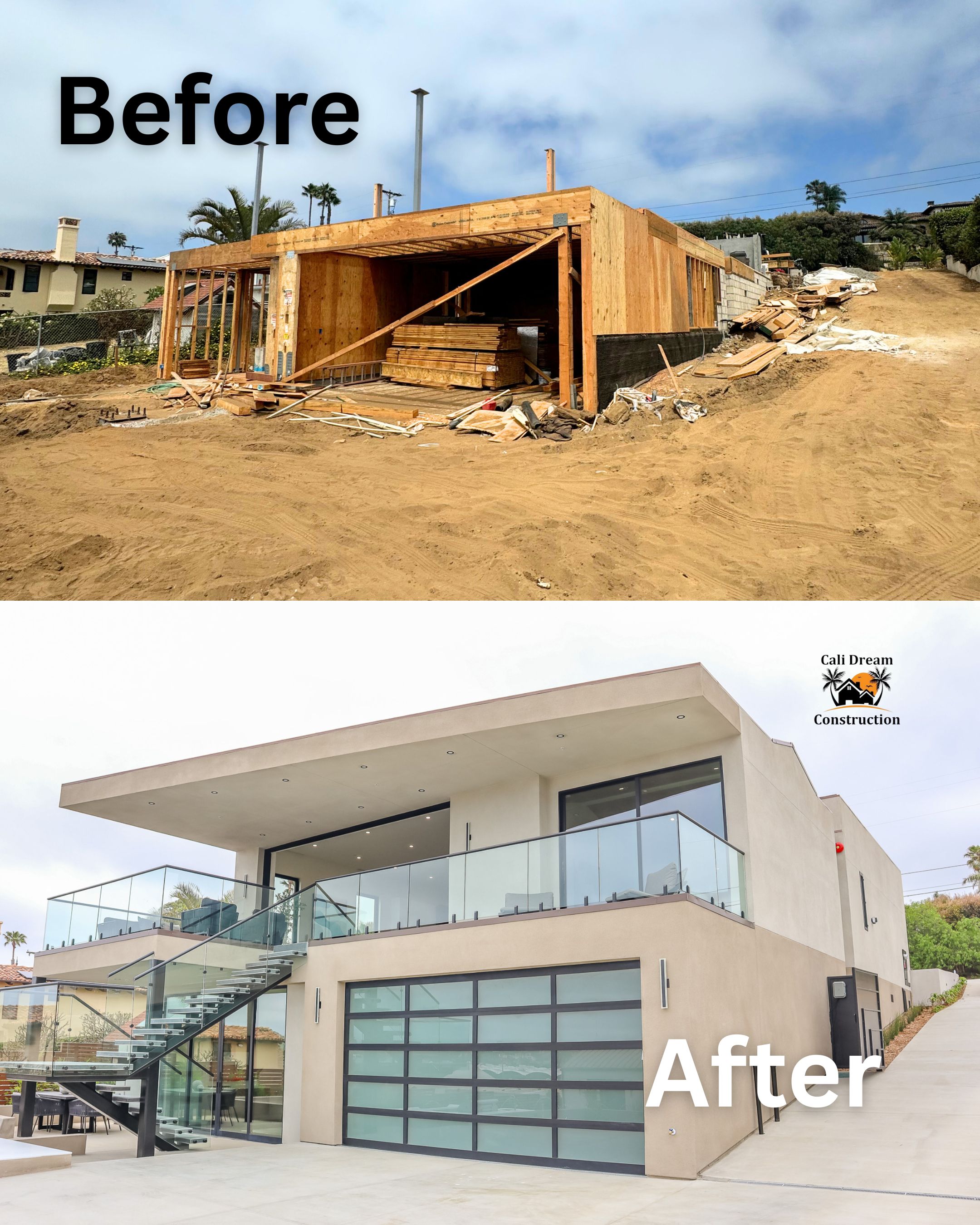
Good projects are calm projects. Calm comes from clear priorities, realistic timelines, and decisions made early.
How to use this series
Start here for the roadmap, then click into the focused guides for each topic. Publish the hub page first so internal links build structure.
Designer lens
Focus on use proportion and alignment to make it feel custom across the whole project so every detail feels intentional.
DIY success recipe
Protect surfaces first
Measure twice
Work in thin clean steps
Allow full dry and cure time
Stop if safety or code is unclear
Related search phrases
- diy home improvement guide tips
- diy home improvement guide tools list
- diy home improvement guide safety notes
- diy home improvement guide step by step
- diy home improvement guide mistakes to avoid
Process map
- Define the goal and finish standard
- Protect surfaces and plan cleanup
- Prep surfaces properly
- Execute in small steps
- Respect dry and cure time
- Inspect in daylight
Decision calendar
Most delays and budget increases come from late decisions. Use this as a simple decision calendar.
- Lock layout before major work starts
- Order long lead items early
- Finalize finish selections before installation weeks
- Document every scope change with cost and time impact
- Reserve time for punch list and closeout documentation
Cost and timeline drivers
Most surprises are predictable when you know where they come from. Use these lists to plan and to compare options.
Cost drivers
- Prep materials like filler, primer, tape, and protection
- Tool purchases and one time setup costs
- Replacing parts after rushed installation
- Waste and overage for cuts and mistakes
- Needing professional help after partial demolition
Timeline drivers
- Fixing small mistakes that compound
- Trips to the store for missing parts
- Dry and cure times that cannot be rushed
- Surface prep and cleanup time
Planning tip
Documentation reduces unknowns. Unknowns create cost and schedule risk.
Documents to gather
Projects move faster when the right information is ready. This list is a practical starting point.
- Photos of the area before you start
- A materials list and safety gear list
- Measurements and a cut list if needed
- A cleanup plan and a place for debris
Avoid expensive mistakes
- Do not compare prices until scope is aligned
- Do not start work until critical selections are decided
- Do not ignore lead times and inspection windows
- Do not treat waterproofing and ventilation as finish items
- Do not approve changes verbally without documentation
Quality and closeout
- Protection and cleanliness on site
- Consistent alignments and transitions
- System performance: ventilation, comfort, drainage
- Final approvals and inspection sign offs
- Closeout folder with manuals and warranties
Quality includes finish details and performance of systems plus documentation.
Full library links
- DIY paint prep and wall checklist: make paint look professional
- How to adjust cabinet doors for clean alignment and even gaps
- How to clean a dryer vent for fire safety and better performance
- How to clean and maintain a bathroom exhaust fan for airflow
- How to clean and maintain engineered wood floors without damaging finish
- How to clean and maintain granite countertops and know when to reseal
- How to clean and maintain luxury vinyl plank floors without streaks
- How to clean and maintain quartz countertops without dulling the finish
- How to clean and seal grout for easier maintenance
- How to fill nail holes and touch up paint so repairs disappear
- How to fix a loose toilet seat and stop wobble
- How to fix a squeaky floor from above without major demo
- How to fix door hinge sag and improve latch alignment
- How to install LVP floating floor basics and clean transitions
- How to install a bathroom fan timer switch for better ventilation
- How to install a closet organizer basics for better storage
- How to install a door sweep to stop drafts at the bottom
- How to install a garbage disposal and avoid common leaks
- How to install a kitchen pull out trash system for workflow
- How to install a smart thermostat basic planning and safety notes
- How to install baseboards with clean lines and consistent reveals
- How to install cabinet child safety latches neatly
- How to install childproof outlet protection and keep it looking clean
- How to install curtain rods level and make windows feel larger
- How to install floating shelves that stay level
- How to install new cabinet hardware with consistent alignment
- How to install peel and stick backsplash for a fast weekend refresh
- How to install smoke and carbon monoxide detectors and test them
- How to install under cabinet lighting using plug in options for better task light
- How to maintain tile showers and reduce mildew with better habits
- How to measure a room for flooring orders and avoid waste
- How to patch drywall small holes for a smooth finish
- How to plan a simple lighting upgrade without rewiring
- How to plan dimmed lighting with LED bulbs and consistent color temperature
- How to prep subfloor for LVP so it does not fail later
- How to remove old caulk cleanly so new sealant lasts
- How to replace a kitchen faucet without leaks
- How to replace a light fixture safely and neatly
- How to replace a shower door sweep and seals to reduce leaks
- How to replace a showerhead and prevent leaks
- How to replace a toilet fill valve and stop running water
- How to replace a toilet flapper to fix a running toilet
- How to replace an HVAC filter and set a simple maintenance schedule
- How to replace an interior door knob and set a clean latch
- How to replace caulk in a shower so it stays clean and sealed
- How to replace kitchen caulking at countertop and backsplash joints
- How to replace switch plates and outlet covers for a cleaner look
- How to weatherstrip a door to reduce drafts and noise
- When to stop DIY and call a professional: safety and code triggers
FAQs
When should I stop and hire a professional
Stop when the work affects structure, gas, major electrical, or waterproofing in wet areas if unsure.
How long does DIY home improvement guide usually take
Time depends on prep and dry or cure time. Plan extra time for protection and cleanup.
How do I avoid buying the wrong materials
Measure, read product labels, and buy a little extra for waste. Save receipts and labels for touch ups.
What tools do I really need for DIY home improvement guide
Measuring, level, and quality prep tools matter. The right tool prevents damage and redo.
How do I know the result is good
Use a quality checklist and inspect in daylight. Look for straight lines, consistent gaps, and no leaks.
What is the most common mistake with DIY home improvement guide
Rushing prep. Most DIY projects look professional when surfaces are clean, flat, and primed.
What should I do after finishing
Respect cure times, ventilate the area, and set a simple maintenance reminder so the result lasts.
Glossary
- Primer: Coating that improves adhesion and blocks stains
- Cure time: Time needed for full strength beyond dry to touch
- Feather: Blending a patch so edges disappear
- Prep: Cleaning and flattening surfaces so finishes adhere
- Rated anchor: Anchor designed for a specific weight in a wall type
Helpful resources
Next steps
If you are planning work in San Diego County and want guidance, contact Cali Dream Construction.
Free downloads